Recipe

Asian Fusion Fish & Chips

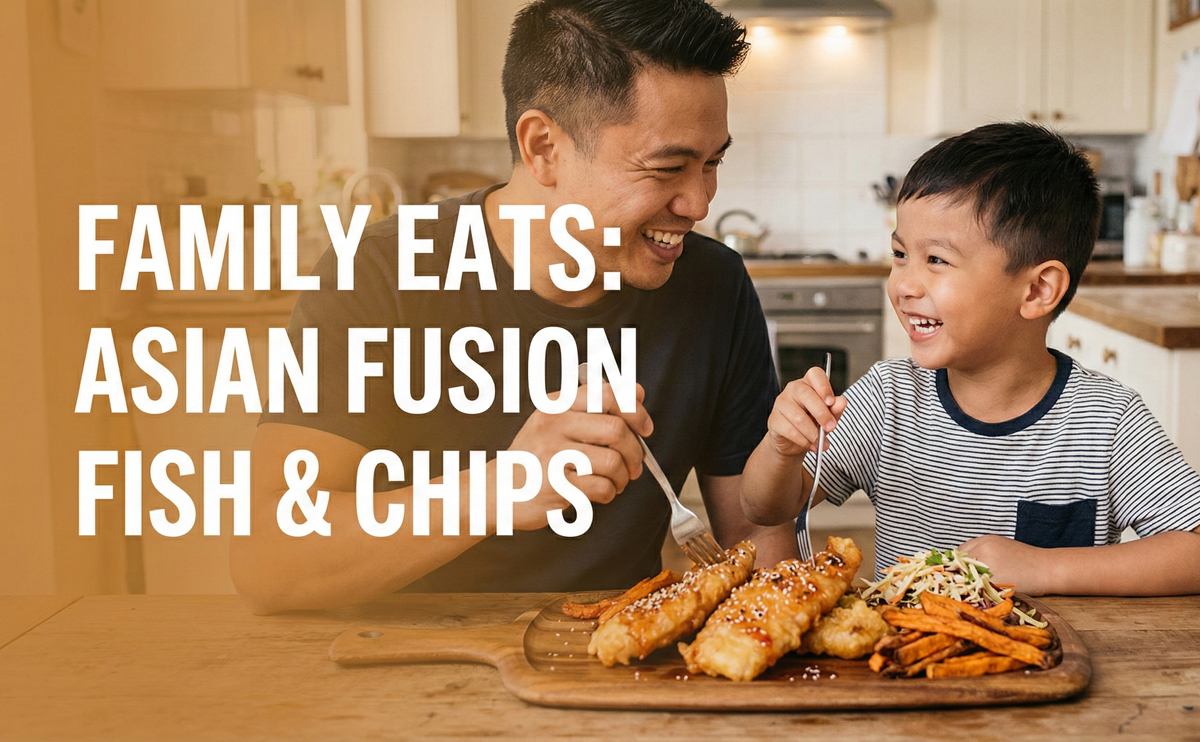
Ever wondered what happens when a British seaside staple goes on a culinary tour of East Asia? Stick around, because we’re diving into the world of Asian Fusion Fish & Chips—a dish that takes the crunch you love and hits it with a massive wave of Umami.

The Secret is in the Contrast
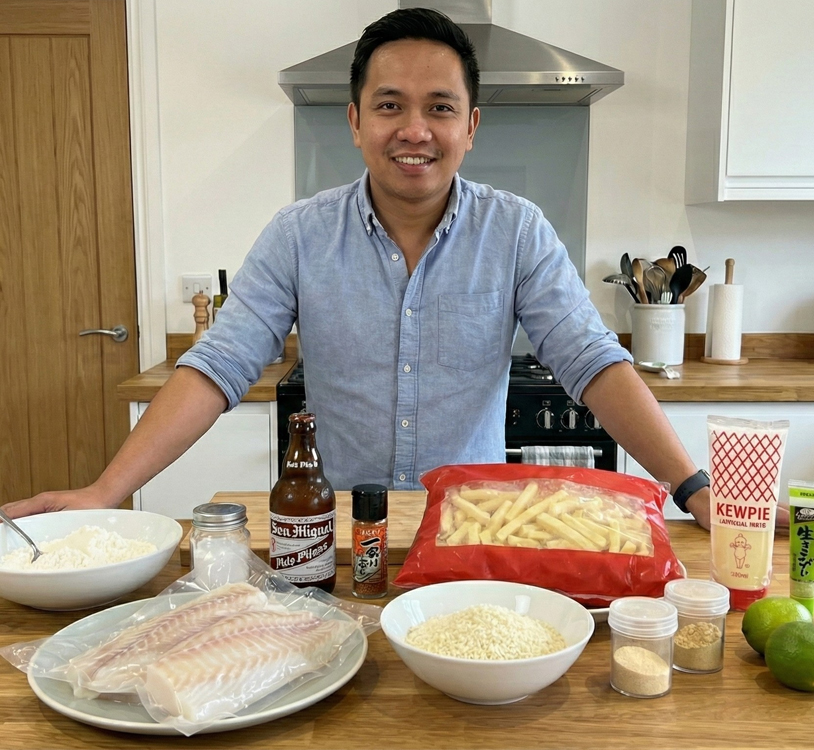
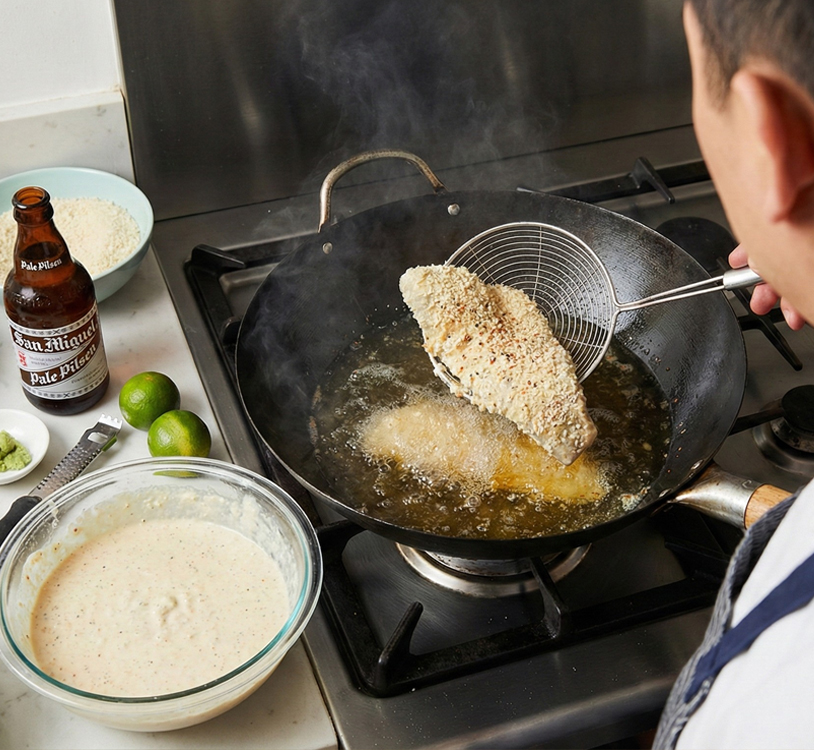
The beauty of this fusion lies in the balance of textures and zingy aromatics. Instead of a heavy, flour-thickened batter, this version utilizes a light-as-air tempura seasoned with shichimi togarashi (Japanese seven-spice).

While the fish stays flaky and delicate, the traditional malt vinegar is swapped for a bright citrus ponzu or a wasabi-infused tartar sauce. It’s a flavor profile that doesn't just sit on your tongue; it wakes it up.

The "Fusion" Twist: Sweet Potato & Furikake
We’ve opted for panko-crusted sweet potato fries over standard white potatoes for two very good reasons:

Natural Sweetness: The sugar in the sweet potato perfectly offsets the salty, savory kick of the seasoned fish.

Better Crunch: Panko breadcrumbs provide a jagged, extra-crispy exterior that stays crunchy longer than traditional chips.

Pro Tip: If you’re a purist, you can definitely stick with Maris Piper potatoes. Just be sure to toss them in furikake (seaweed and sesame seasoning) while they're still hot to keep that fusion soul alive.


Ingredients

For 4 Serves

Vegetable Oil

1 tbsp

Onion

1

Garlic Cloves

2

Fresh Ginger Root

30 g

Curry Powder

1 tbsp

Allspice

1 pinch

Thyme Sprigs

2

Scotch Bonnet Chillies

1

Available in our store

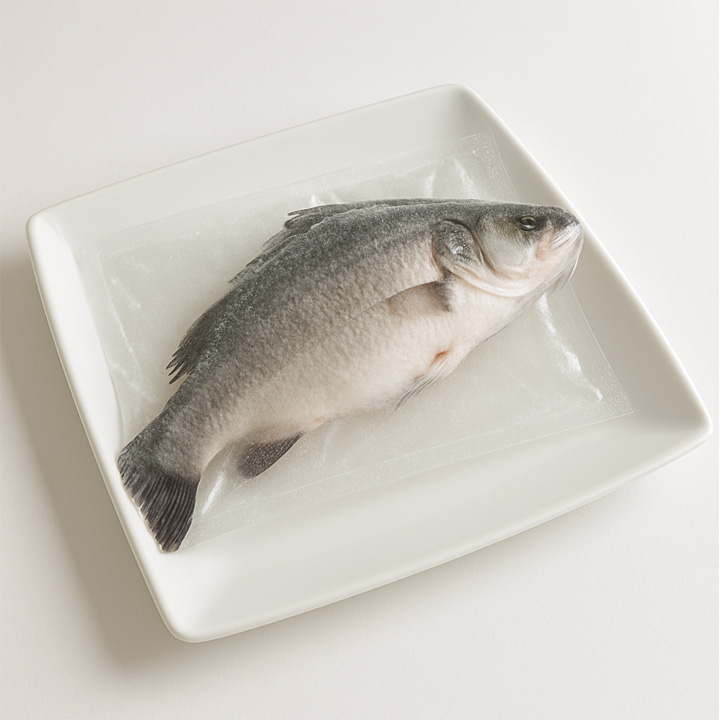
Asian Sea Bass, Whole Gutted

Price range: ₱3,950 through ₱4,148per 395kg

Frozen French Fries

1,150per 115kg

Preparation: The "Mise en Place"

The absolute first step of preparation isn't actually chopping—it’s reading and organizing. In the culinary world, we call this Mise en Place (everything in its place).

  • Read the recipe twice: Ensure you aren't surprised by a "marinate for 4 hours" instruction when you wanted to eat in 20 minutes.
  • The "Station" setup: Gather all your tools (knives, bowls, pans) and all your ingredients.
  • Prep before the heat: Wash, peel, chop, and measure every single ingredient into small bowls before you turn on the stove.
  • Pro Tip: If you're chopping while the oil is already smoking in the pan, you’re not cooking—you’re firefighting.

Cooking & Finishing: The Execution

The second phase is about managing heat and the "final touch" that separates a bland meal from a great one.

  • Heat Management: Follow your cooking times, but use your senses. If it smells like it’s burning, it is—regardless of what the timer says.
  • The "Final Taste" (Finishing): Right before you take the food off the heat, taste it. This is where you adjust the Acid, Salt, and Heat.
    • Does it taste "flat"? Add a squeeze of lemon or a splash of vinegar (Acid).
    • Does it taste "dull"? Add a pinch of flaky salt.
  • Resting & Garnish: If you’re cooking meat, let it rest for 5–10 minutes so the juices redistribute. Add a pop of color with fresh herbs or a drizzle of oil to make it look professional.

Leave a Reply

Your email address will not be published. Required fields are marked *